Overview
Urban wildlife, and the naturalistic spaces they inhabit, can appear to be consistent when viewed from within our frenetic lives.
However, the non-human world around us is always in flux. Tracking color is one way of visualizing these changes.
We developed EcoGlass, a web-based iPad application, to improve our sensitivity to the flux of colors around us.
We believe that increasing our appreciation for color can help us to see the interconnectedness of the natural world.
Birds are one of the most charismatic and fragile examples of these dynamics. Using photographic documentation of their lives, we can see how their color-worlds ebb and flow with our own.
Acknowledgements: We thank GVU/iPat, the IAC Digital Integrative Liberal Arts Center, and the School of Literature, Media, and Communication for generously funding this project.
Click here to explore the bird demos
The Birds
Birds are charismatic species that scientists and the public alike love to observe.
This makes for rich datasets that can engage many people in understanding a bit more about wildlife around them.
Birds in particular tend to engage people in multiple modalities through their song and color; importantly, while both traits are on an environmental background, song is fleeting and somewhat punctuated, while the pattern of color change is more consistent and recognizable.
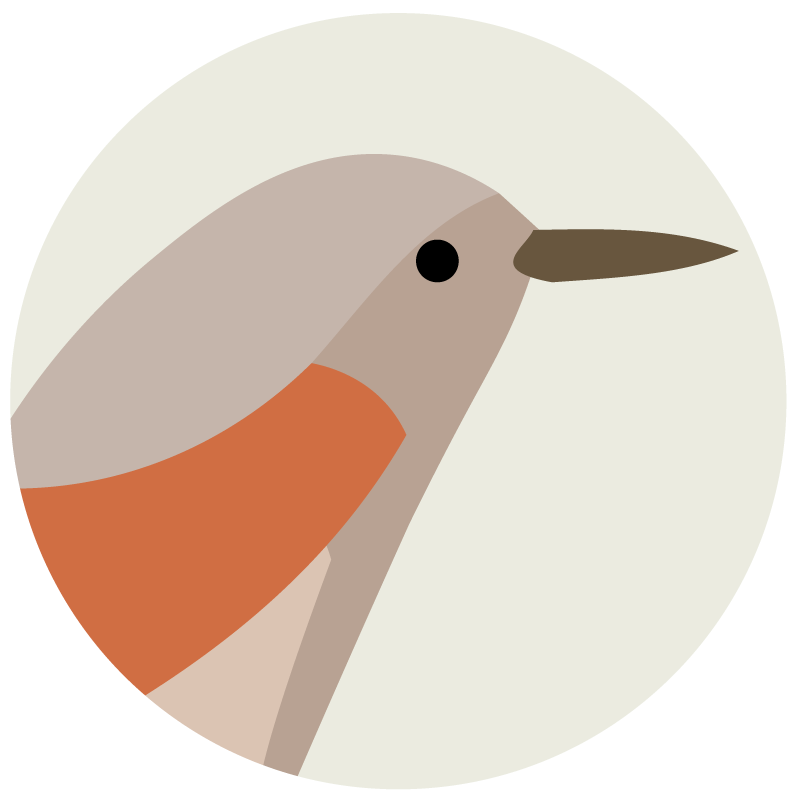
Brown Thrasher
Toxostoma rufum
The state bird of Georgia, this cryptic bush dweller loves to hang out in the
underbrush but appears on prominent perches in the breeding season to sing for mates.
Brown Thrasher Demo
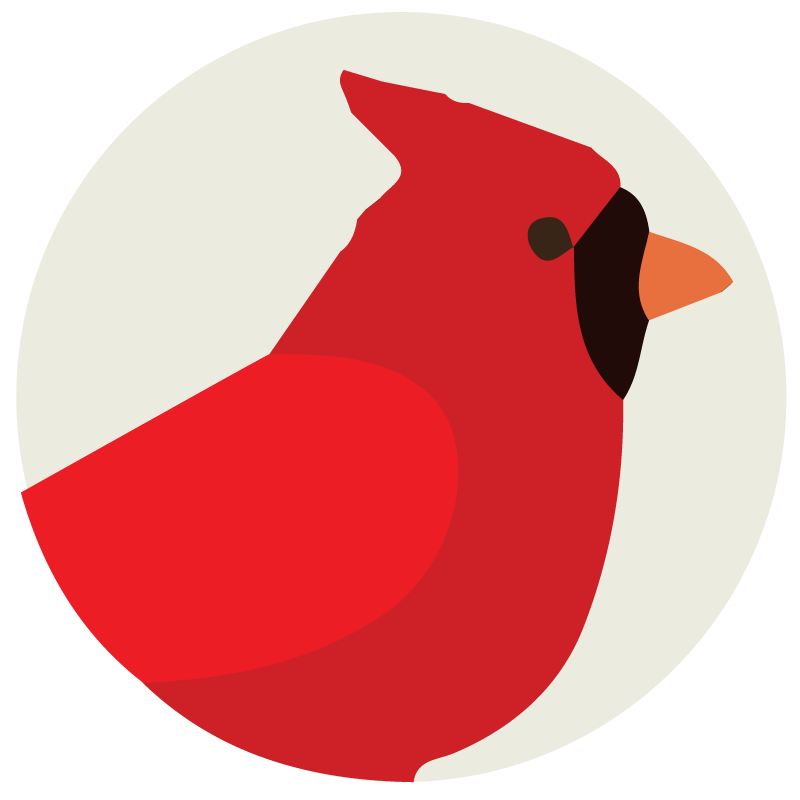
Northern Cardinal
Cardinalis cardinalis
A vibrant bird that highlights the strong sexual dimorphism that
birds can display. They illustrate the conflicting goals of standing
out for mates and blending in to hide from predators.
Northern Cardinal Demo
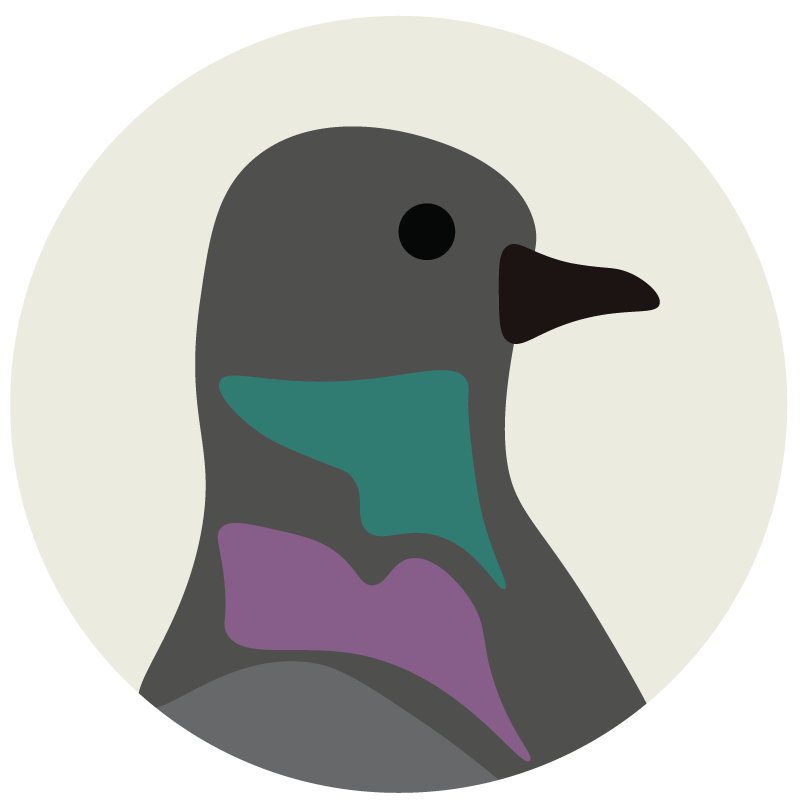
Rock Pigeon
Columba livia
These city dwellers are a fixture of the American urban landscape.
Originally adapted to rocky cliffs, they’ve fully embraced our streets
with their slaty gray, muted tones.
Rock Pigeon Demo
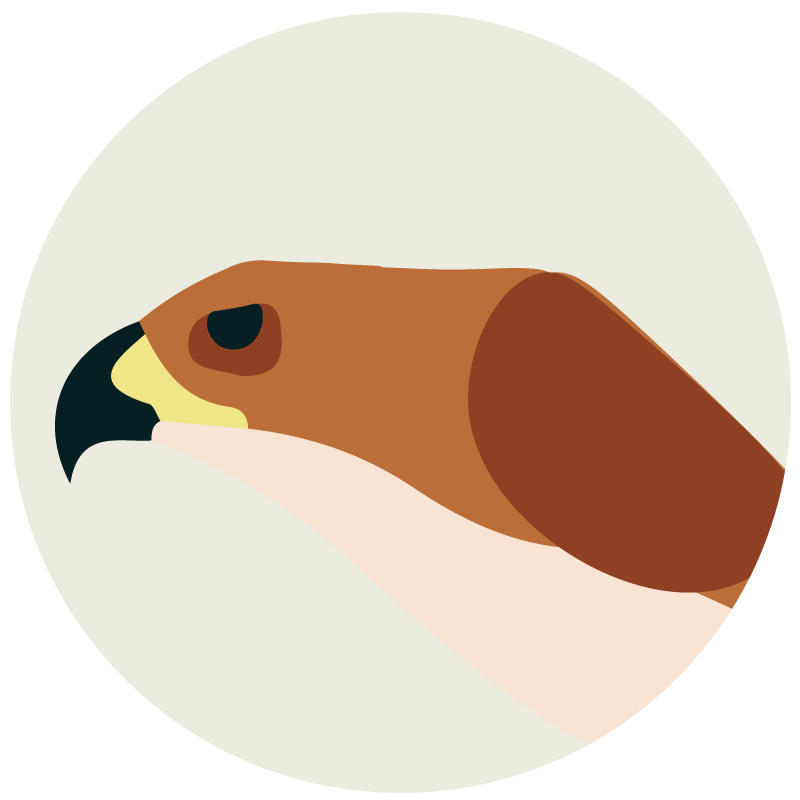
Red-Tailed Hawk
Buteo jamaicensis borealis
One of North America’s most common raptors, these hawks are
often seen soaring through the skies or perched on a high branch
hunting for prey. You’ll often see them against the blue background of the sky.
Red-Tailed Hawk Demo
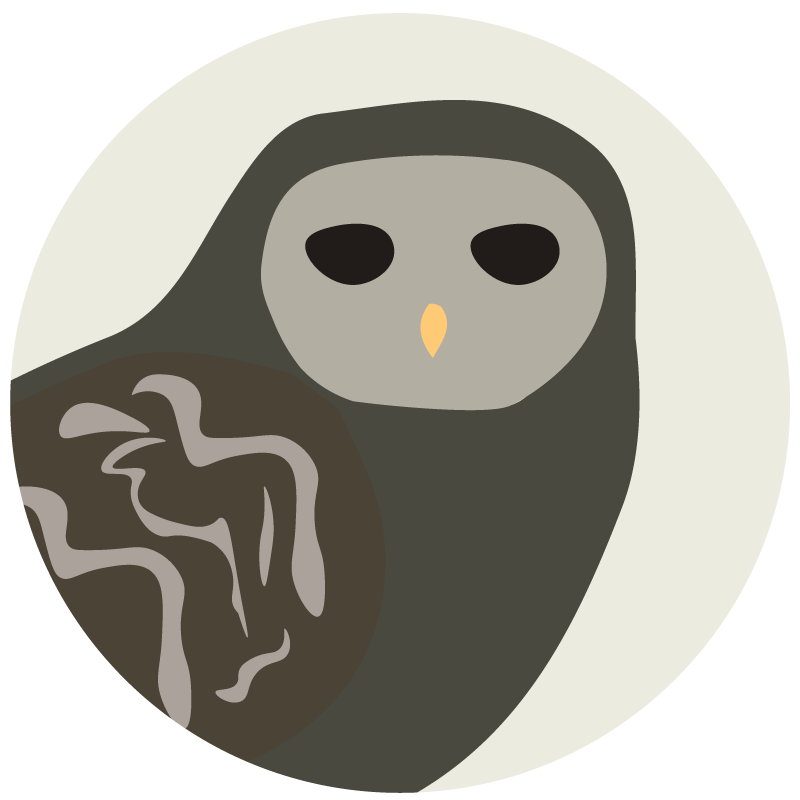
Barred Owl
Strix varia
These owls are hard to spot in the thick forest canopy despite their booming calls. A distinctive bird with a difficult profile to spot.
Barred Owl Demo
The Importance of Color
Consider the cardinal- a species seen year-round here. Most people associate cardinals with red. But in actuality, it is just the males that are this red color, and the ‘sexiest’ among them tend to be redder, with much of their red coming from their (good) genes and diet. Females are quite a bit drabber, more like a tawny brown. This makes sense, as the males are vying to get the attention of females and quite literally trying to stand out. Females, on the other hand, are much more influenced by predators, so being browner and able to blend in to the trees around them is helpful to their survival. Males have to be aware of predators, too, of course, but their color represents an evolutionary balance between sex and death.
Click here to explore the bird demos
What do you notice?
As you look at the colors, take note of which colors tend to be represented, and which are not. These can represent colors in the environment, such as the trees or shrubs that provide cover for the bird, or the bird itself.
Consider...
Do you notice any patterns about which birds seem to be noticed and documented more than others?
As you view photos over time, take note of how the colors depicted may shift.
the changes in the bird’s color, the environment, or both? What colors seem to appear or disappear over time?
As you view these, think about the impact of a warmed environment, with a shortened fall and less-cold winter.
What potential mismatches in color could arise between the birds and their local environment? Do these color changes suggest the birds should stick around, or leave?
Click here to explore the bird demos